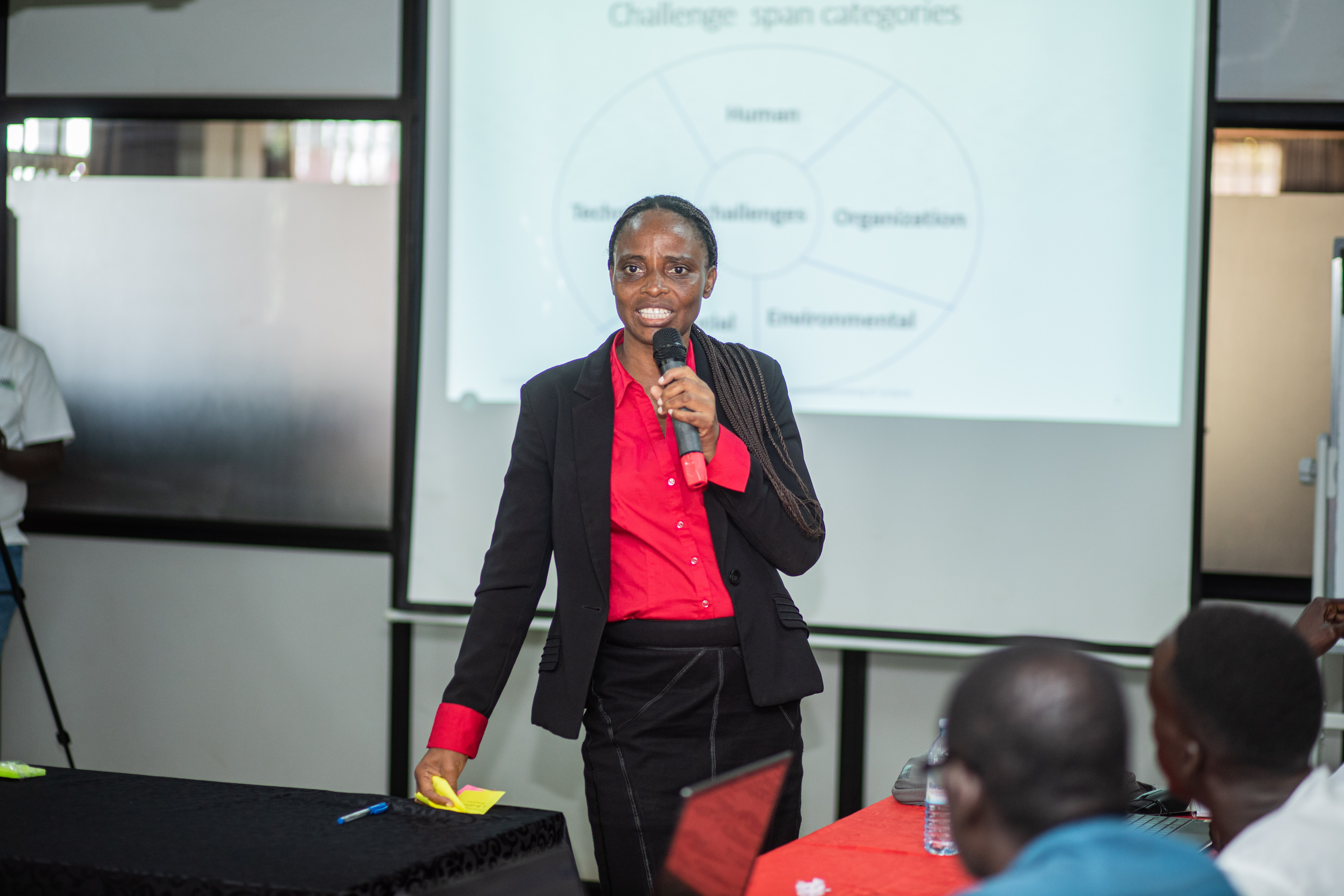
Implementing and operationalising ICT projects presents a complex range of challenges that can be broadly categorised into four key areas: technical, human, organisational, and financial.
Technical challenges
Technical challenges are often the most visible. They relate to the infrastructure, equipment, and compatibility of various technologies. For instance, integrating systems such as routers, Wi-Fi networks, and communication sensors can be problematic when they fail to communicate seamlessly. Other issues arise from limited bandwidth, inadequate connectivity, and outdated or incompatible equipment. Even when technology performs well in controlled environments, it may fail under real-world conditions where environmental factors - such as distance, interference, or unstable power supply - affect performance.
Accessibility is another major concern, especially in low-resource settings. While some users may have access to smartphones or computers, others rely only on basic “button phones”. This limits the reach and effectiveness of digital solutions, particularly in rural or economically disadvantaged communities.
Human factors
People remain central to every ICT project - both as implementers and end-users. The success of a project depends heavily on leadership, management, teamwork, and user acceptance. Effective leadership provides clear objectives, accountability, and a conducive work environment. Poor communication, lack of motivation, and unclear project goals can easily derail progress.
Cultural and social differences among users also play a role. For instance, introducing new technologies to communities that do not immediately perceive their value often leads to resistance. Additionally, many users may lack the technical skills needed to operate or maintain new systems. Building trust and ensuring user “buy-in” are therefore crucial to long-term sustainability.
Organisational processes
Even with sound technology and competent teams, weak organisational systems can slow or halt progress. Bureaucratic procurement processes, poor coordination, and delays in decision-making often stretch implementation timelines. Tasks that should take a few months may drag on for a year simply because of procedural bottlenecks.
Within organisations, it is also vital to assess whether staff have the necessary skills and support to adopt new technologies. When processes are inefficient or roles unclear, morale drops, and team productivity suffers.
Financial constraints
Finally, the financial dimension underpins both implementation and ongoing operations. Projects often struggle with underestimation of costs, delayed funding disbursements, and inadequate maintenance budgets. Without proper financial planning, even well-designed systems risk stalling once initial funding runs out. Affordability remains a major obstacle, especially in developing contexts. The cost of acquiring, maintaining, and scaling technology can be prohibitive for both organisations and end-users.
conclusion
The challenges in ICT project implementation are interlinked. Technical issues affect human engagement; weak leadership compounds financial inefficiencies; and poor processes undermine otherwise sound strategies. Overcoming these requires a holistic approach - one that integrates sound planning, capable leadership, adequate financing, and user-centred design. Only then can ICT projects move beyond pilot phases and deliver meaningful, sustainable impact.
MAAIF Collaboration with AdEMNEA Project
Ministry of Agriculture, Animal Industry and Fisheries (MAAIF) – will support the systematic monitoring of fruit fl ies and bee species.
Deputy Vice Chancellor lauds AdEMNEA Initiative
It is a rich project covering a number of areas like Application of ICTs, Agriculture, Beekeeping and the environment in general.
Internet Of Things (IoT)/Sensors
an interconnection via the internet, of computing devices that are embedded in everyday objects, enabling them to send and receive data. At the heart of IoT are sensors that can measure physical properties.
TUNADO excited about AdEMNEA products
TUNADO supported our poposal writing by giving us a support letter and we hope they will support the monitoring of the species because it is in their core interest. They will also maintain the bee monitoring units during and after the project.
Principal welcomes AdEMNEA Project
The credit from doing a job excellently for five years does not go to an individual, but to the university and the country at large.
Integrated Fruit Control
Most of our farmers are not able to export fruits to Europe and other foreign markets because of the fruit pest that damages over 80% of the crop. The only solution therefore is to have a very strong surveillance program.
RENU pledges to Support the AdEMNEA Project
RENU will provide linkages to similar projects for benchmarking as they are supporting some IoT-based projects and providing connectivity for them
Bee Farming & Honey Production – A Juicy Source of Income/Employment for the Youths.
Bee Farming & Honey Production – A Juicy Source of Income/Employment for the Youths.
A TECHNOLOGY-ENABLED FARMING ENVIRONMENT? WE WANT TO BE INVOLVED.
A TECHNOLOGY-ENABLED FARMING ENVIRONMENT? WE WANT TO BE INVOLVED.
TUNADO, A SAFE HAVEN FOR BEE FARMERS.
TUNADO, A SAFE HAVEN FOR BEE FARMERS.
AdEMNEA Project Engages Bee Farmers at Apiculture MSP.
AdEMNEA Project Engages Bee Farmers at Apiculture MSP.
THE SMART BEE MONITOR SYSTEM TURNS APICULTURE INTO A MODERN TRADE
‘THE SMART BEE MONITOR SYSTEM MAKES APICULTURE A MODERN TRADE’ SAYS MR. BIRYOMUMAISHO, THE EXECUTIVE DIRECTOR – TUNADO.
TECHNOLOGY TO INCREASE YIELDS IN LARGE SCALE BEE FARMS
“TECHNOLOGY WILL MASSIVELY IMPACT LARGE SCALE BEE FARMING AND INCREASE YIELDS IN THE LONG RUN” SAYS MRS. BEATRICE – HEAD OF EXPORTS, MINISTRY OF SCIENCE, INNOVATION & TECHNOLOGY.
INTERNET OF THINGS (I.o.Ts) HERE TO ENHANCE BEE MONITORING & FRUIT-FLY CONTROL – Dr. Mary Nsabagwa
Internet of Things (I.o.Ts) HERE TO ENHANCE BEE MONITORING & FRUIT-FLY CONTROL – Dr. Mary Nsabagwa.
THE SMART BEE MONITOR – AN ESSENTIAL TOOL FOR MINISTRY OF AGRICULTURE ANIMAL INDUSTRY & FISHERIES (MAAIF). Dr. Amulen Deborah (Entomologist - MAK).
THE SMART BEE MONITOR – AN ESSENTIAL TOOL FOR MINISTRY OF AGRICULTURE ANIMAL INDUSTRY & FISHERIES (MAAIF). Dr. Amulen Deborah (Entomologist - MAK).
PHD/ MASTERS STUDENTS EYE THE
PRIZE!!!WORK PACKAGE ONE (WP1): NETWORKS & RESILIENCE.
WORK PACKAGE ONE (WP1): NETWORKS & RESILIENCE.
Mr. Erick John Machiwa
Mr. Erick John Machiwa
Khemis Ben
Khemis Ben (lubari7@gmail.com)
Mr. David Tugume
Mr. David Tugume (tdavidjcl@gmail.com)
Mr. Oswaha Matthew Joseph
Mr. Oswaha Matthew Joseph
WORK PACKAGE TWO (WP2): SENSOR & SIGNAL PROCESSING.
Ms. Agatha Turyagyenda
Mr. Arnold Muhairwe
Mr. Arnold Muhairwe
Mr. Florence Lello
Mr. Florence Lello
Pest Control - Mango fruit growers can finally have maximum fruit yields.
By Mr. Peter Alvin Mukisa & Ms. Rebecca Rugyendo (Communications Desk – AdEMNEA Project)
The Smart Bee-Monitor: A silver lining for Uganda’s bee farmers.
_1708683030.png) Bee farmers will soon acquire a new way of monitoring their hives, check on the swarming activities and keep track of their product (honey) accumulated in the hives.
Bee farmers will soon acquire a new way of monitoring their hives, check on the swarming activities and keep track of their product (honey) accumulated in the hives.
As the Adaptive Environmental Monitoring Network for East Africa (AdEMNEA) project enters phase two (2), much more emphasis will be put on customizing the monitoring network to the primary stakeholders such as bee farmers and mango fruit growers in East Africa (particularly Uganda, Tanzania and South Sudan).
COSTECH ready to lend a hand with customer uptake.
“At COSTECH, we pride in translating research outputs into knowledge products and in turn increase customer acceptance, breaking the research outputs into applicable products, commercializing the end product to promote sustainability for the project’s output and enabling resource utilization,” Mr. Mboma, the tech savvy personnel remarked.
Provide Training and Advisory to the beneficiaries of your research outputs – TARI

The Tanzanian Agricultural Research Institute (TARI) offers advisory to government and promote national policies, laws and regulations in addition to conducting basic, applied and strategic agricultural research.
Inter-Task Integration pivotal to timely outputs
The multi-disciplinary aspect of the AdEMNEA project implies that the research outputs are divided into tasks; work packages (WP1, 2 & 3) from a couple of regimen – Computing, Engineering, Entomology, Crop Science and Meteorology.
Climate-focused innovations to thrive under NEMA supervision.
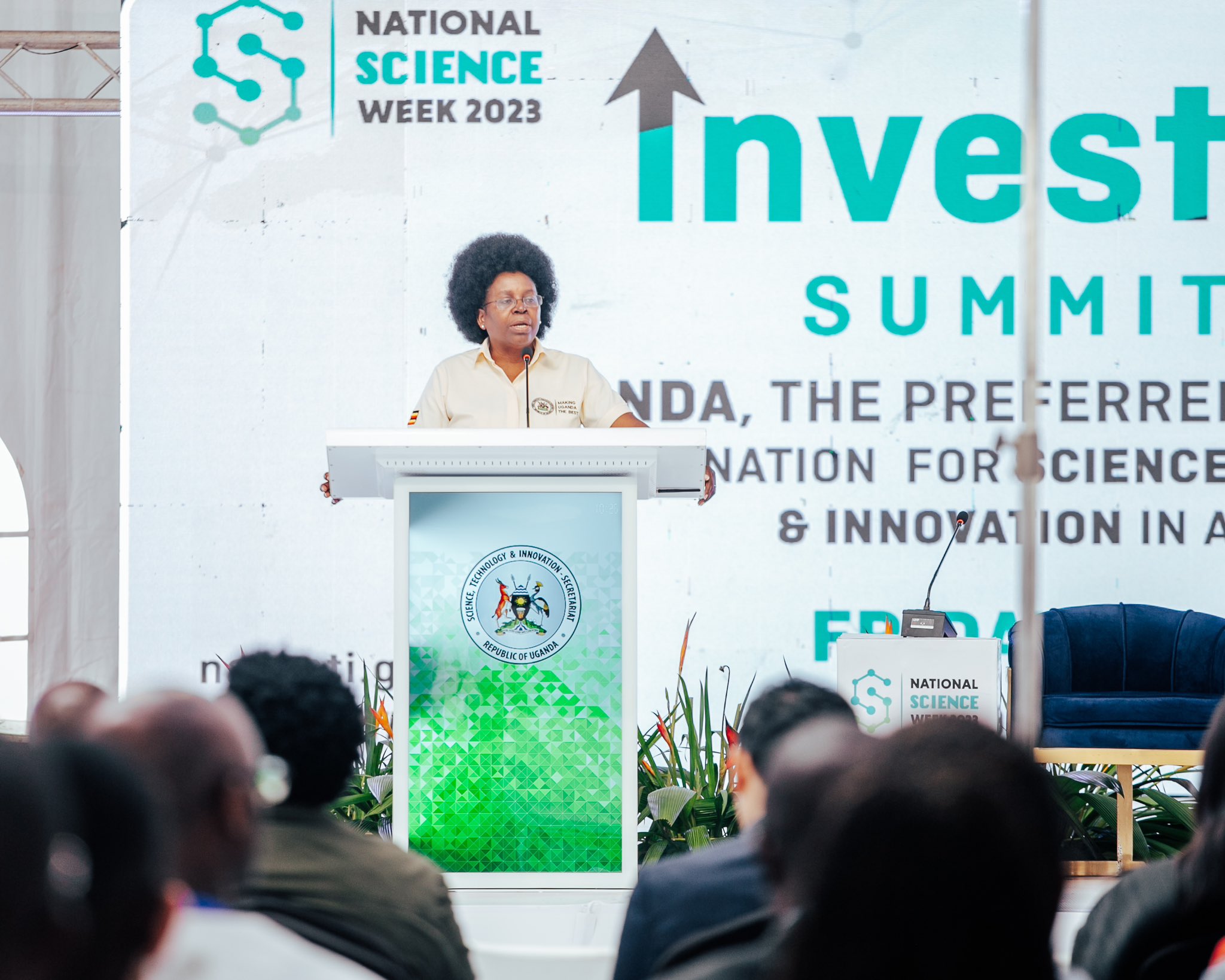
The AdEMNEA project recently participated in the National Science Week hosted by the STI secretariat under the President’s office in Uganda. The participation was by exhibiting some of the innovations (e.g. the smart bee monitor, the automatic weather station, etc…) that have been developed in the IoT-ra lab at Makerere University.
Private Corporate Funds – a Feasible solution to Uganda’s innovations and start-ups.
_1708693253.png)
Presently, Uganda relies on corporate companies such as National Social Security Fund (NSSF), Standard Bank Group (Stanbic Bank, SBG), Uganda Development Bank (UDB), Private Sector Foundation Uganda (PSFU) among others who have taken up the role to offer support to start-ups mainly due to the lack of nationalized incubation business centers.
THE SMART-BEE MONITOR: A PILOTING APPROACH OFFERS FRESH SOLUTIONS TO UGANDA’S BEE FARMING.

This modern bee-hive machine has sensors that measure humidity, Temperature, Weight, Sound and capture Image. With the new technology, a farmer or the controller gets information about his/her apiary remotely via mobile phone.
SOUTH SUDAN’s APICULTURE INDUSTRY READY TO BREAK EVEN.

- The study will be one of those firsts in South Sudan to characterize bee species using molecular methods.
A GLIMMER OF HOPE FOR SOUTH SUDANESE FOOD CROP FARMERS.
-
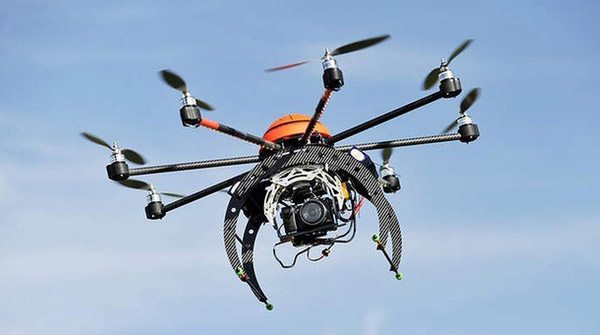
Khemis’ technical contribution to the Adaptive Environment monitoring network will lead to more optimised flight paths and data schedules from ground sensors to the drones. This is critical capacity building in drone technology within the East African region.
FRUIT-FLY EXPOSITORY RESEARCH TAKES UGANDA’S HORTICULTURE TO A BRAND NEW LEVEL.

- We hope to develop local alternatives for the growing fruit industry in Uganda.
SUSTAINING A TOXIN-FREE ECO-SYSTEM KEY TO PRESERVING UGANDA’S HONEY BEE.

- The research mainly focuses on pests, parasites; parasitoids and pathogens while assessing the role of the environment and the in-hive reservoirs of honeybee pathogens.
WEATHER-BASED RESEARCH – A TIMELY APPROACH TO FRUIT FLY CONCENTRATION AND CONTROL.
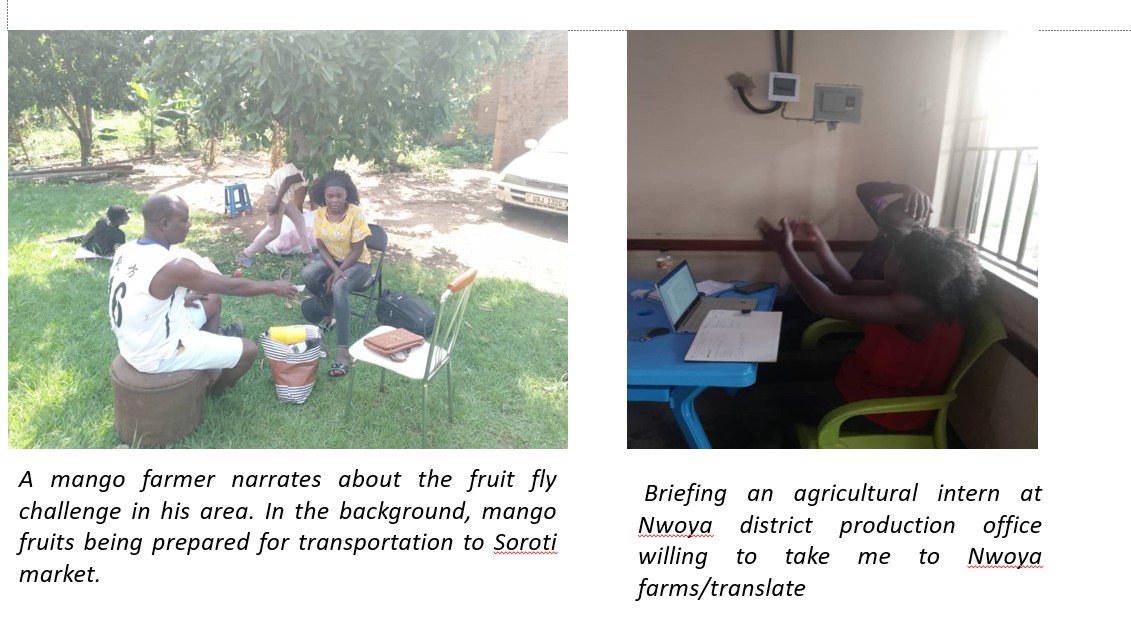
- The on-going process further aims to examine the prevailing Weather patterns and analyse the farmers’ readiness to handling the fruit fly plague.
The ‘Smart-Hive’ Revolutionizes Bee Keeping: A Game Changer for Apiculture in Uganda
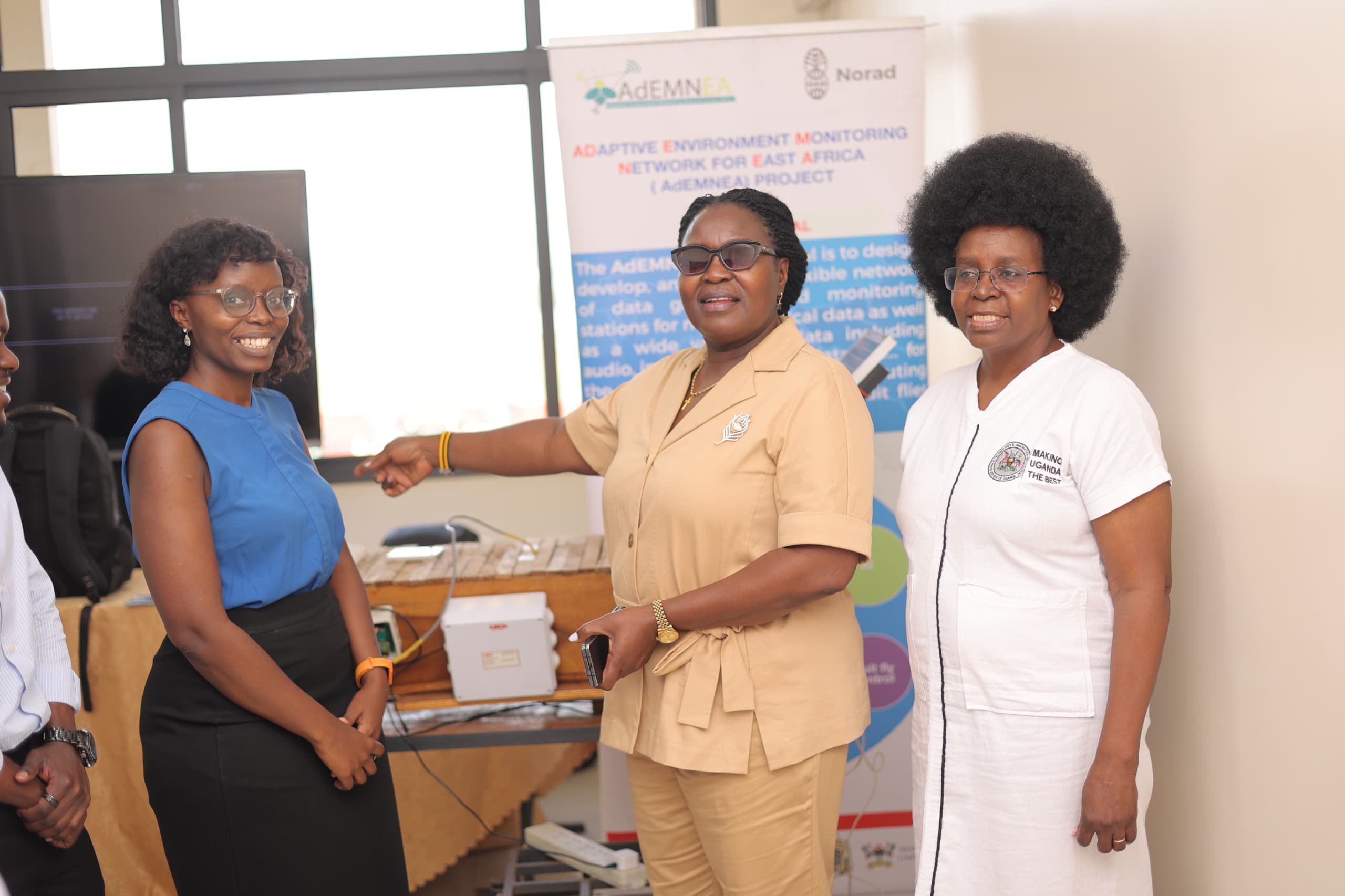
The ‘Smart-Hive’ Revolutionizes Bee Keeping: A Game Changer for Apiculture in Uganda
Protecting our Bee Species.
Bees are very essential to our livelihood.
Dr. Deborah Amulen, College of Veterinary Medicine, Animal Resources and Biosecurity (COVAB).
RENU pledges to Support the AdEMNEA Project
<p>RENU will provide linkages to similar projects for benchmarking as they are supporting some IoT-based projects and providing connectivity for them</p>
Faster, smarter drone routing: A new path-planning approach for precision farming
Faster, smarter drone routing: A new path-planning approach for precision farming
Hidden bee diversity mapped to boost honey production in South Sudan
Hidden bee diversity mapped to boost honey production in South Sudan.

Research brings practical gains for everyday farming.
Research brings practical gains for everyday farming.
Scholars highlight innovations for better farming.
Scholars highlight innovations for better farming.
Smart traps for tough pests
Smart traps for tough pests
Smarter beehives
Smarter beehives
Tackling mango fruit flies: Insights from farmers and weather patterns in Uganda
Tackling mango fruit flies: Insights from farmers and weather patterns in Uganda
Managing rising fruit fly diversity for mango farmers
Managing rising fruit fly diversity for mango farmers
Addressing the urgent challenge facing wireless networks in agriculture
Addressing the urgent challenge facing wireless networks in agriculture
Norway strengthens strategic ICT and research partnerships with Africa
Norway strengthens strategic ICT and research partnerships with Africa
AdEMNEA showcases innovation, farmer experiences and regional partnerships
AdEMNEA showcases innovation, farmer experiences and regional partnerships
Learning by doing: Interns share transformative journey at AdEMNEA
Learning by doing: Interns share transformative journey at AdEMNEA
Making smart bee-keeping technology work for Ugandan farmers
Making smart bee-keeping technology work for Ugandan farmers
Colouring outside the lines: The art of creativity in science
Colouring outside the lines: The art of creativity in science
Professor Margie Kigozi calls for affordable, secure agricultural technologies for farmers
Professor Margie Kigozi calls for affordable, secure agricultural technologies for farmers
Dean highlights role of technology in sustainable agriculture
Dean highlights role of technology in sustainable agriculture
Dr Mary Nsabagwa highlights AdEMNEA project achievements
Dr Mary Nsabagwa highlights AdEMNEA project achievements
AdEMNEA project update: Key achievements, plans
AdEMNEA project update: Key achievements, plans
Challenges in implementing and operationalising ICT projects
Challenges in implementing and operationalising ICT projects
Successful Training of Drone Operators.
Successful Training of Drone Operators.
PhD research uses Artificial Intelligence to detect fruit fly damage in mangoes
PhD research uses Artificial Intelligence to detect fruit fly damage in mangoes
PhD research uses Artificial Intelligence to detect fruit fly damage in mangoes
A groundbreaking PhD study using Artificial Intelligence (AI) to detect and assess fruit fly damage in mangoes was presented at the Adaptive Environment Monitoring Network For East Africa (AdEMNEA) Project’s Annual General Meeting (AGM) on November 13-14, 2025.
Bee-Sight: New Ugandan Innovation Helps Farmers Monitor Hives in Real Time.
Bee-Sight: New Ugandan Innovation Helps Farmers Monitor Hives in Real Time.
NEW SOLAR-POWERED AUTOMATIC WEATHER STATION (AWS) BOOSTS CLIMATE DATA COLLECTION IN UGANDA.
NEW SOLAR-POWERED AUTOMATIC WEATHER STATION (AWS) BOOSTS CLIMATE DATA COLLECTION IN UGANDA.
SMART BEEKEEPING TAKES SHAPE AS YOUNG INNOVATORS LEAD ADEMNEA FIELD TRIALS
SMART BEEKEEPING TAKES SHAPE AS YOUNG INNOVATORS LEAD ADEMNEA FIELD TRIALS
IOT FOR APICULTURE: INSIDE THE SMART BEE PROJECT EMERGING FROM MAKERERE’S IOT-RA LAB.
IOT FOR APICULTURE: INSIDE THE SMART BEE PROJECT EMERGING FROM MAKERERE’S IOT-RA LAB.
STRENGTHENING GLOBAL RESEARCH PARTNERSHIPS: UNIVERSITY OF BERGEN DELEGATION VISITS IOT-RA LAB.
STRENGTHENING GLOBAL RESEARCH PARTNERSHIPS: UNIVERSITY OF BERGEN DELEGATION VISITS IOT-RA LAB.
From Research Lab to Farmers: AdEMNEA Takes Smart Agriculture Innovations to the National Stage.
From Research Lab to Farmers: AdEMNEA Takes Smart Agriculture Innovations to the National Stage.
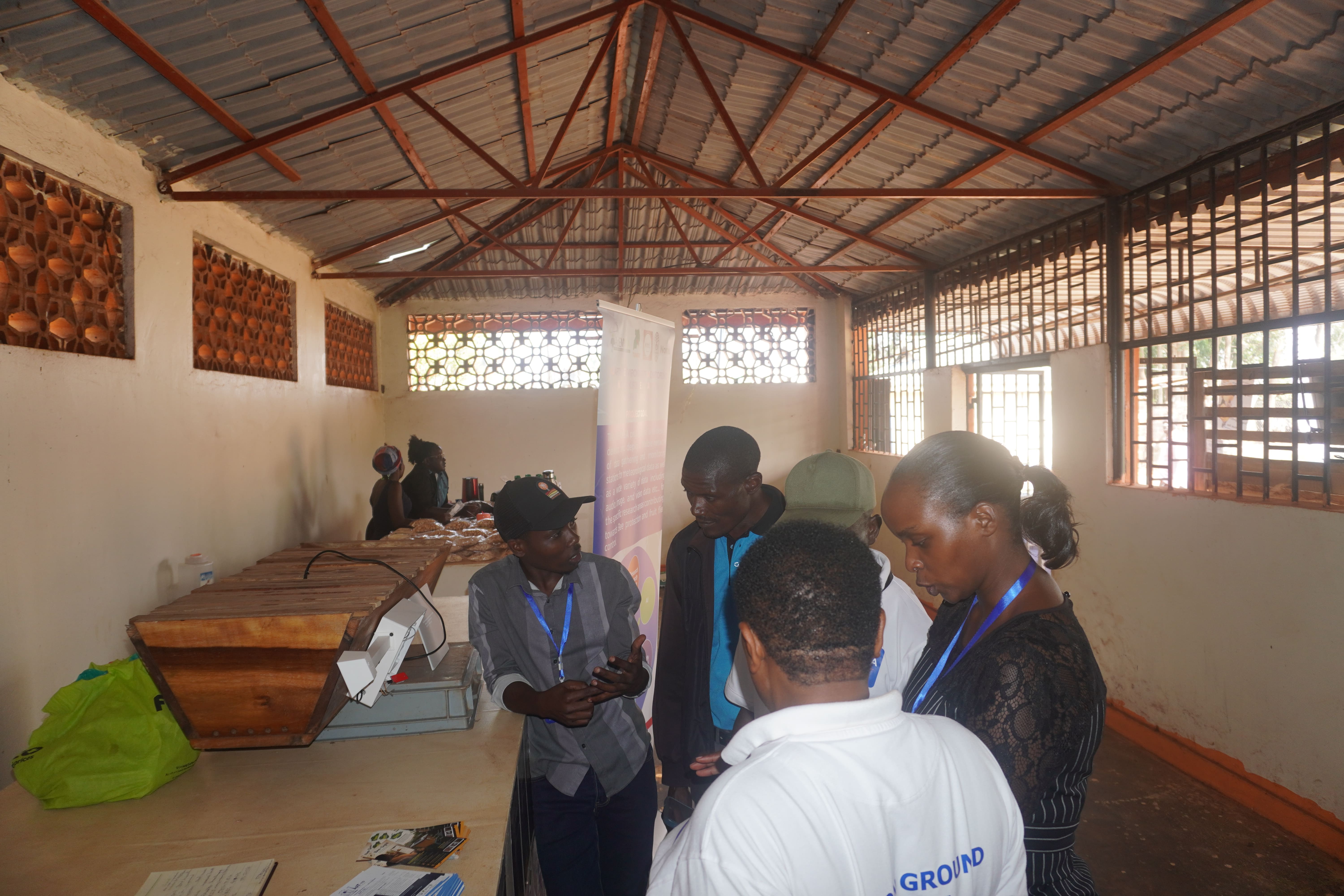
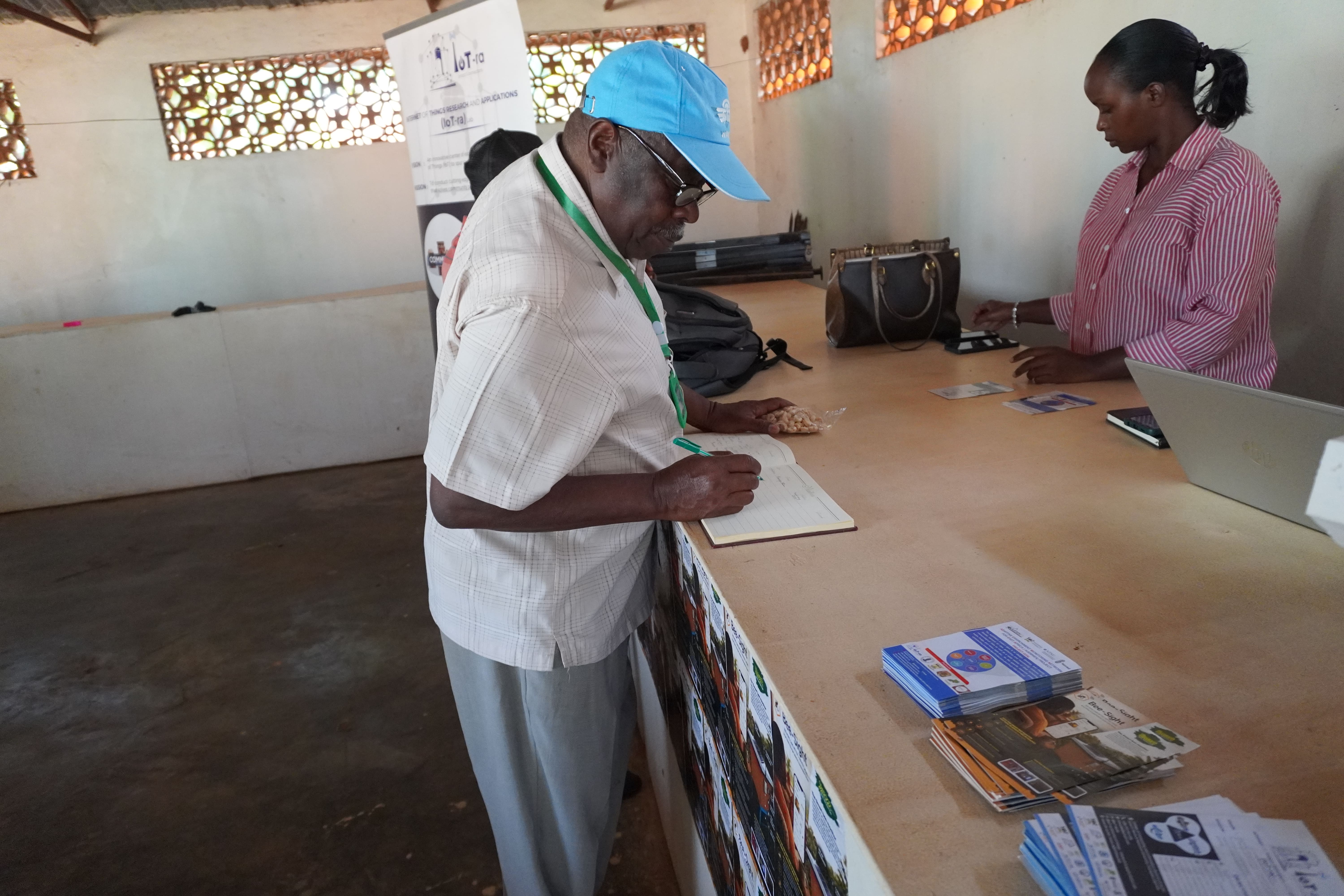
From Exhibition to Impact: Farmers Engage with IoT-Powered Solutions for Smarter Agriculture.
From Exhibition to Impact: Farmers Engage with IoT-Powered Solutions for Smarter Agriculture.
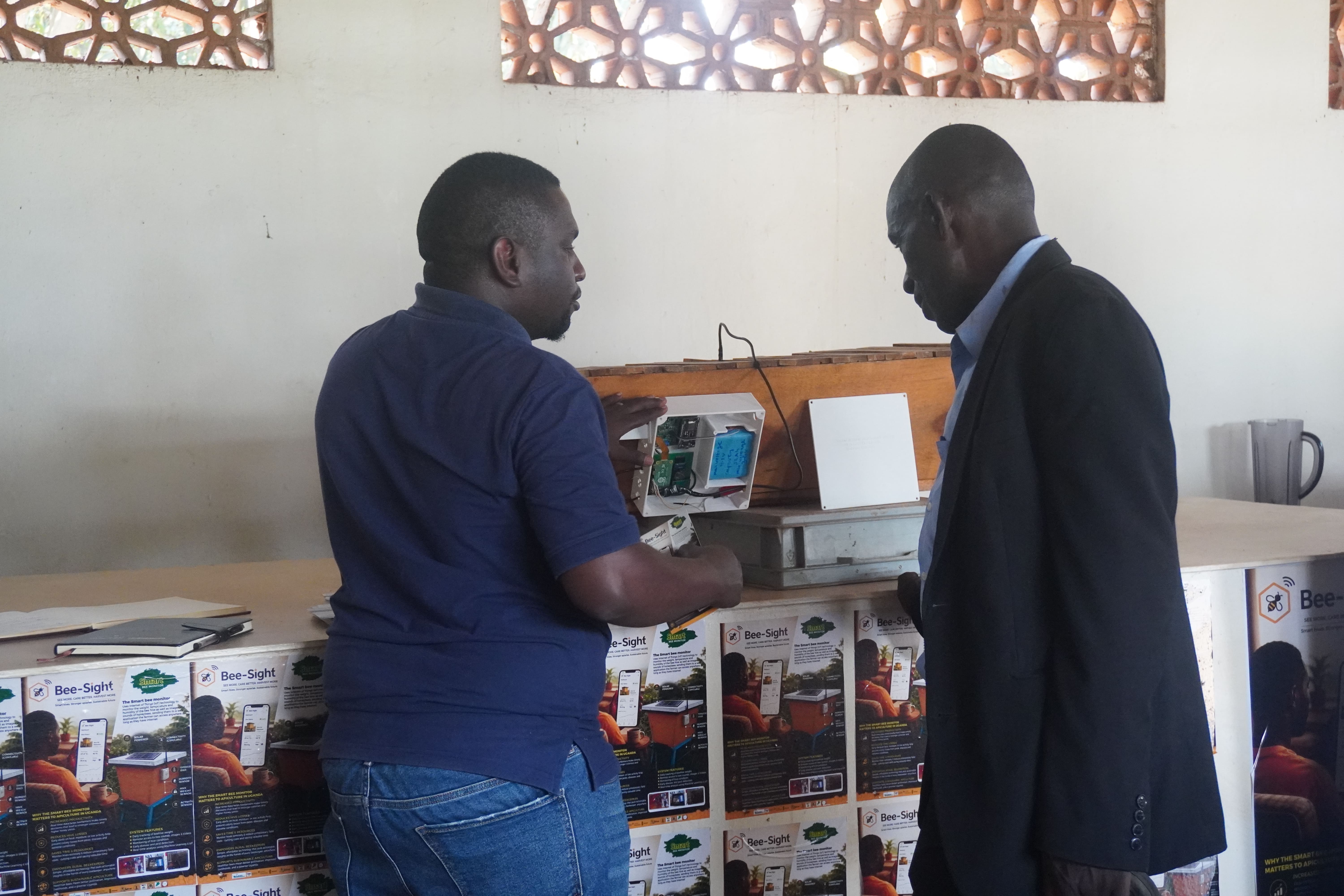
AdEMNEA Strengthens the Link Between Universities, Government, Industry and Farmers Through Agricultural Innovation
AdEMNEA Strengthens the Link Between Universities, Government, Industry and Farmers Through Agricultural Innovation.