
Published newsletter
Article Details
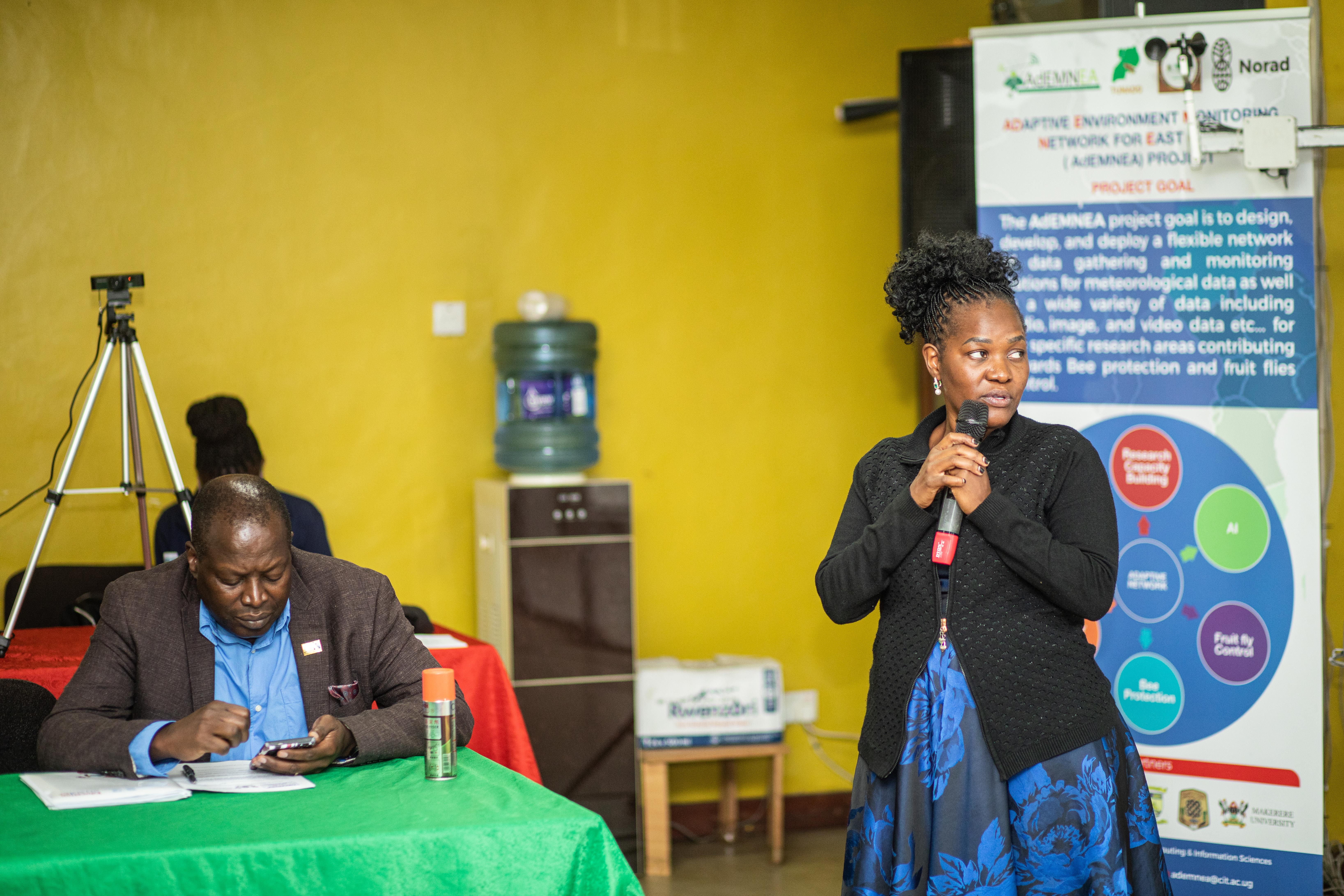
Dr Julianne Sansa Otim, the Principal Investigator of the Adaptive Environment Monitoring Network for East Africa (AdEMNEA) project at Makerere University, provided an overview of the project’s progress at the Annual General Meeting. Funded by the Norwegian Agency for International Development (NORAD), AdEMNEA is implemented in partnership with NTNU, the Dar es Salaam Institute of Technology, and the University of Juba, building on a collaboration network established since 2013.
This project develops an adaptive network of sensors and AI tools for bee protection, fruit fly pest management, and meteorological monitoring. Student research, drone operations, and community outreach - such as World Bee Day - highlight the project’s commitment to innovation, capacity building, and sustainable agriculture across East Africa.
The project aims to develop an adaptive network of monitoring stations to collect meteorological, audio, image, and video data, with applications in pollinator protection -particularly bees - and fruit fly pest management. The network integrates AI to optimise data collection and improve ecological management strategies, while also providing capacity-building opportunities for students and researchers across the region.
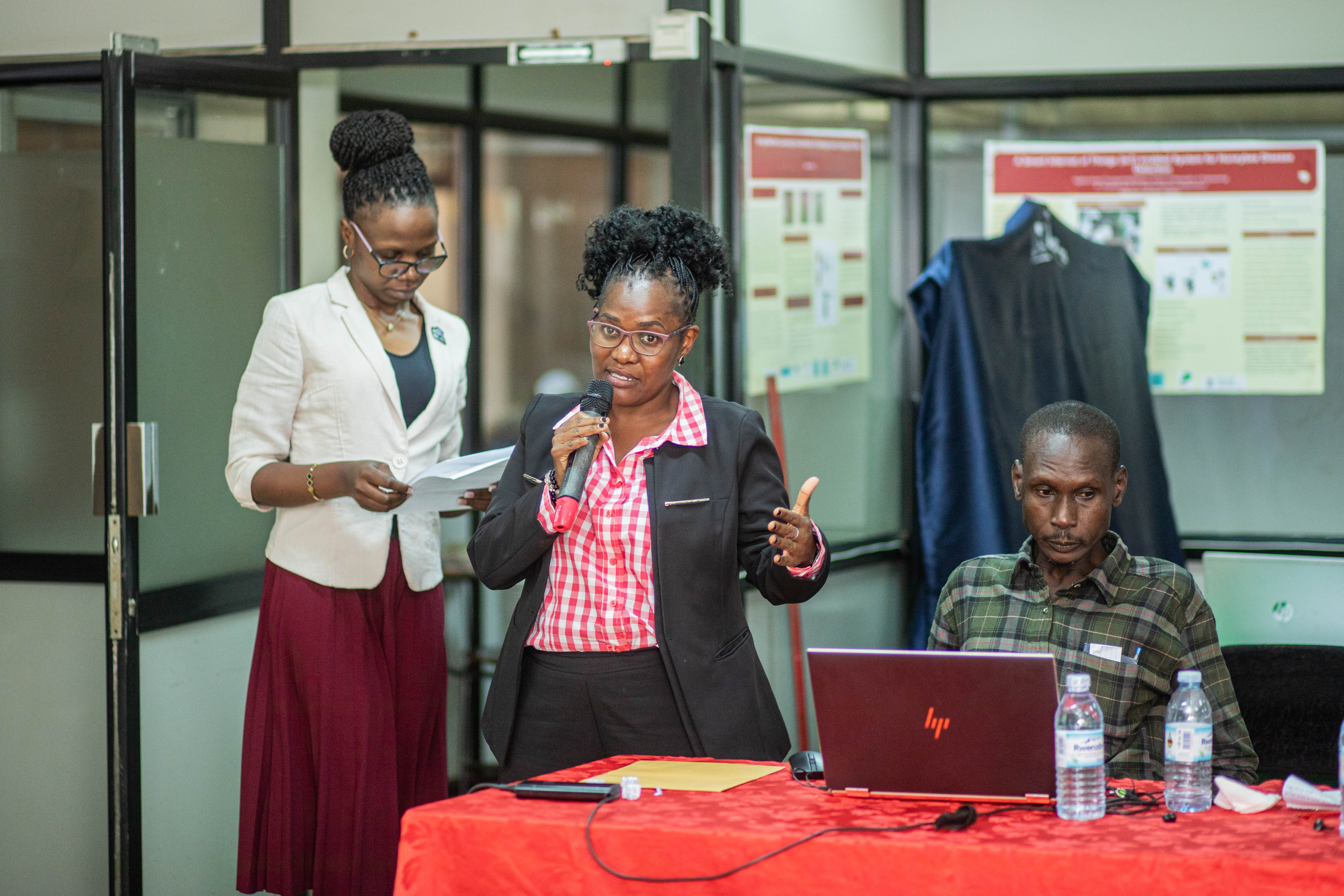
Key achievements include successful PhD and Master’s student research, development of AI-driven monitoring tools, and outreach through events such as World Bee Day and National Honey Week. Cross-border collaboration continues, with technology transfer and student training in drone operations and sensor data analysis.
Dr Otim emphasised the importance of Makerere University’s support, highlighting the project’s commitment to innovation, community impact, and sustainable agriculture in East Africa.