
Newsletter Article
AdEMNEA Strengthens the Link Between Universities, Government, Industry and Farmers Through Agricultural Innovation
Read the full update below, including the featured image and complete article content.
Published newsletter
Article Details
The 2026 Jinja Agricultural Show provided AdEMNEA Project with more than an opportunity to showcase technology, it created a meeting point between research, government, industry, farmers and the wider agricultural innovation ecosystem.
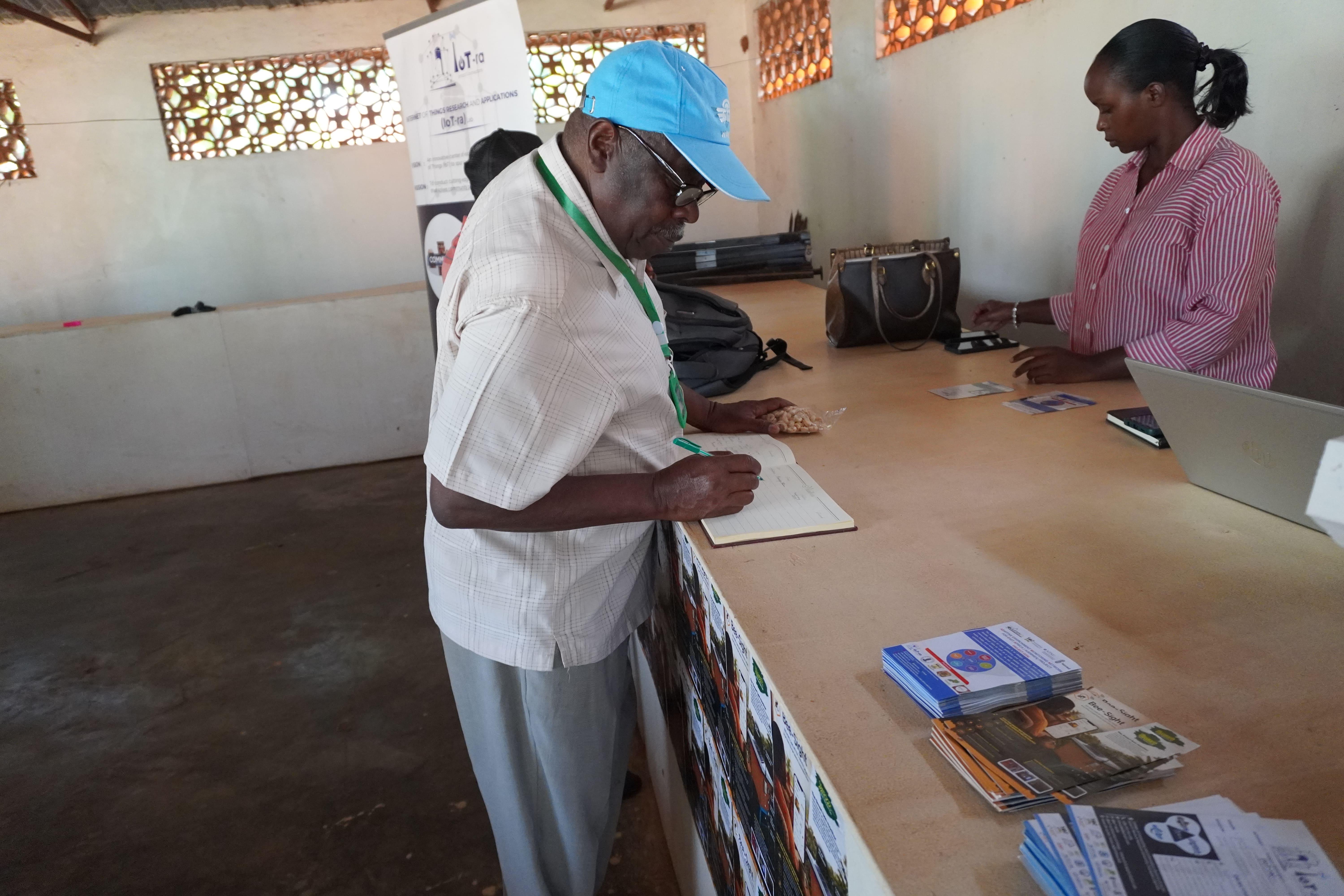 Fig 1; Making crucial contact with Bee Farmers - One of the prospective Bee Farmers signs the Project's Register.
By bringing its locally developed Smart-Bee hive and Bee-Sight App to a national agricultural platform, AdEMNEA connected university research with the people and institutions that can help shape, adopt and scale agricultural innovations.
Farmers engaged with the technologies and shared practical perspectives, while agricultural professionals, government representatives, researchers and other stakeholders explored their potential applications and raised questions around their relevance and future deployment.
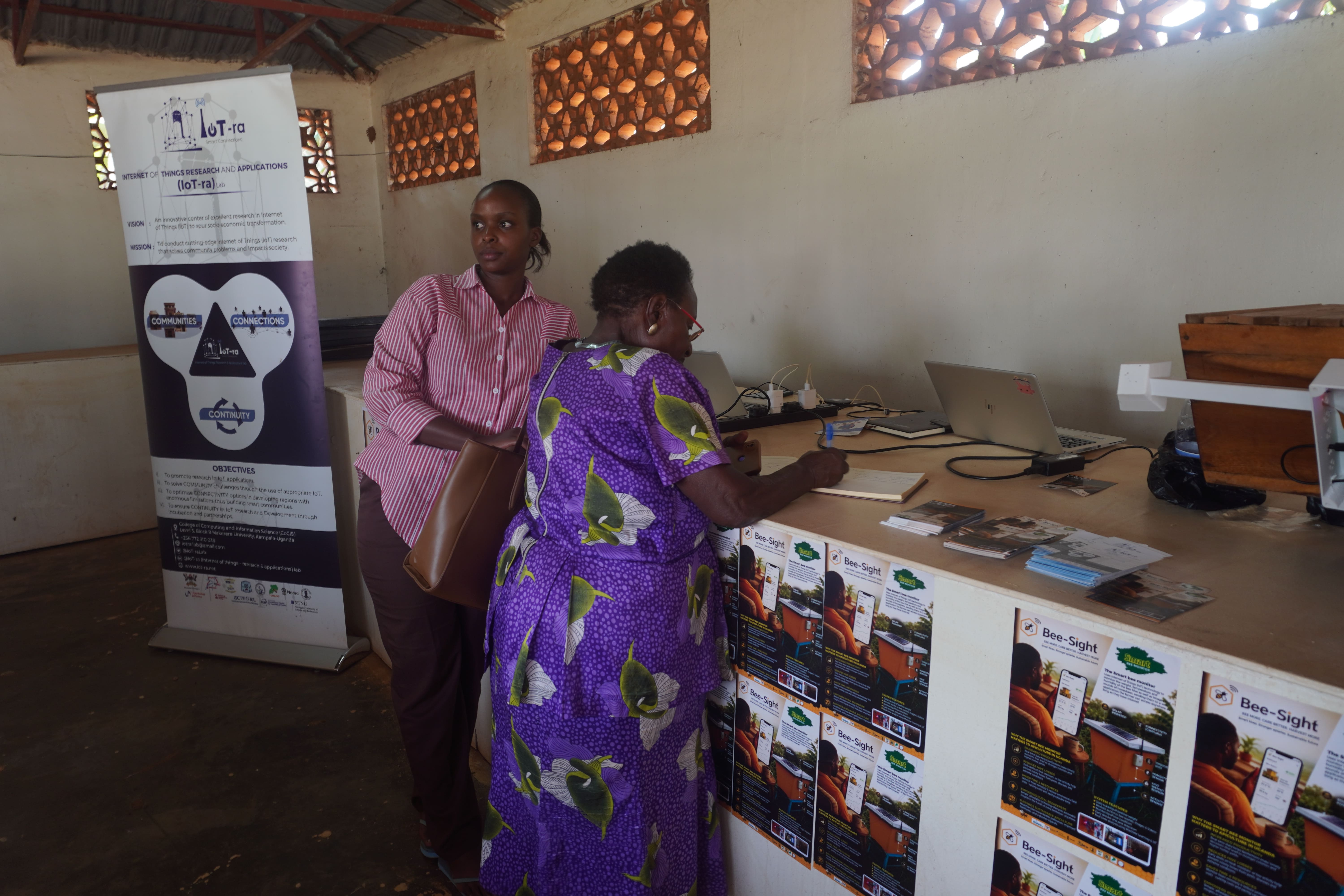 Fig 2; Mrs. Lillian Sansa, an experienced Agricultural Officer records her contacts with AdEMNEA Project.
These interactions created an important feedback loop: research generated innovation; innovation was demonstrated to users; stakeholder engagement generated feedback; and that feedback can inform further development, adoption and potential scale-up.
The experience reflects AdEMNEA's broader collaborative approach. As a NORHED II-supported initiative involving Makerere University, NTNU, the University of Juba, DIT and the University of Bergen, the project brings together expertise and partnerships across institutions and countries to advance locally relevant research and innovation.
The Jinja exhibition demonstrated the value of this approach by creating space for different actors in the agricultural ecosystem to interact around practical solutions.
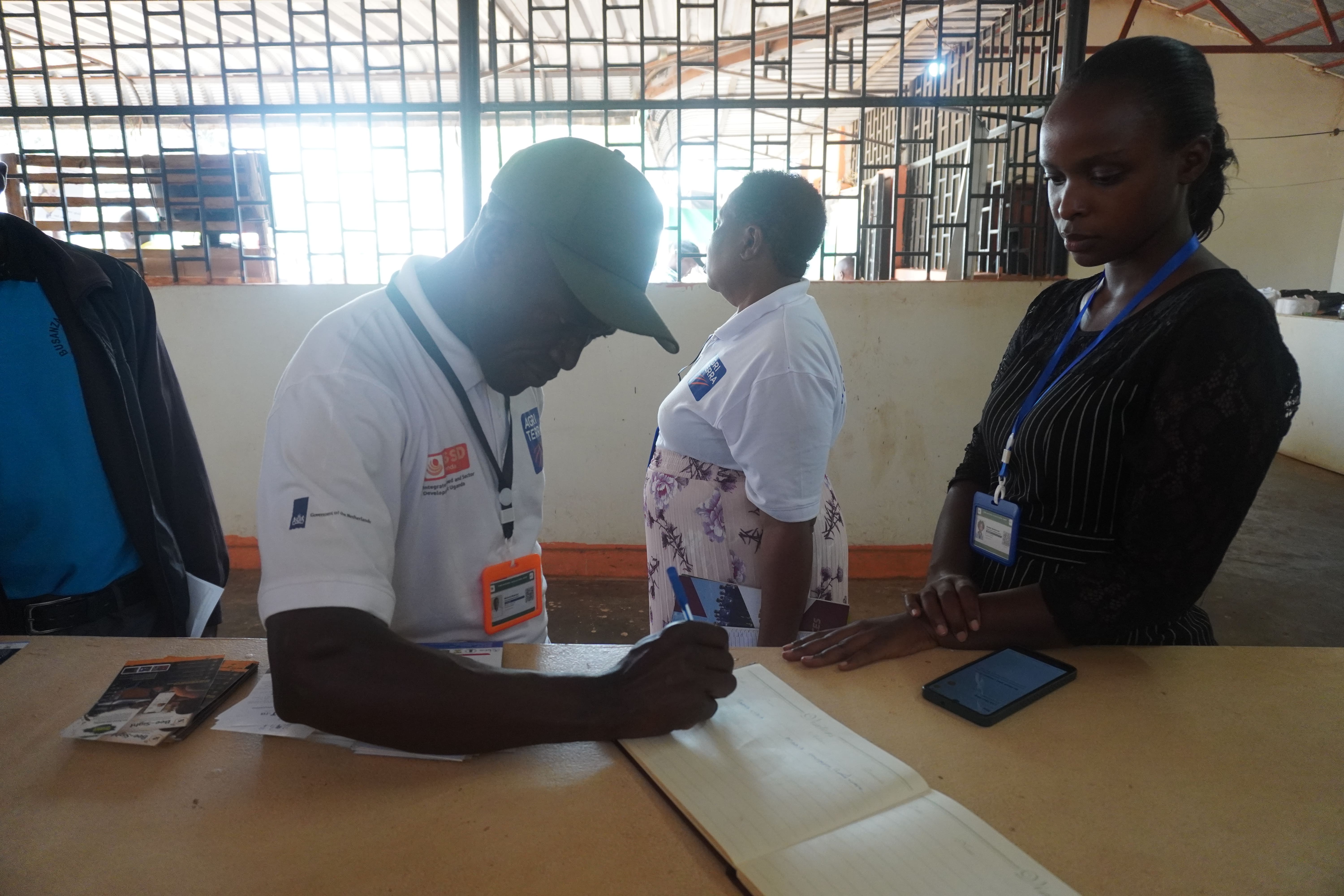 Fig 3; Making contact with more farmers & prospective Smart-Bee Hive customers.
This connection between research and the wider agricultural ecosystem is critical for sustainability—helping ensure that university innovations do not remain within academic environments, but are increasingly shaped by, connected to and positioned for use by the communities and institutions they are intended to serve.